
A Beginner’s Guide to How Vehicle Suspension Systems Work
Build confidence with our beginner's guide to how vehicle suspension systems work so you can understand every bump and turn. Know what to watch for.
Jimi Everette
2/20/20265 min read
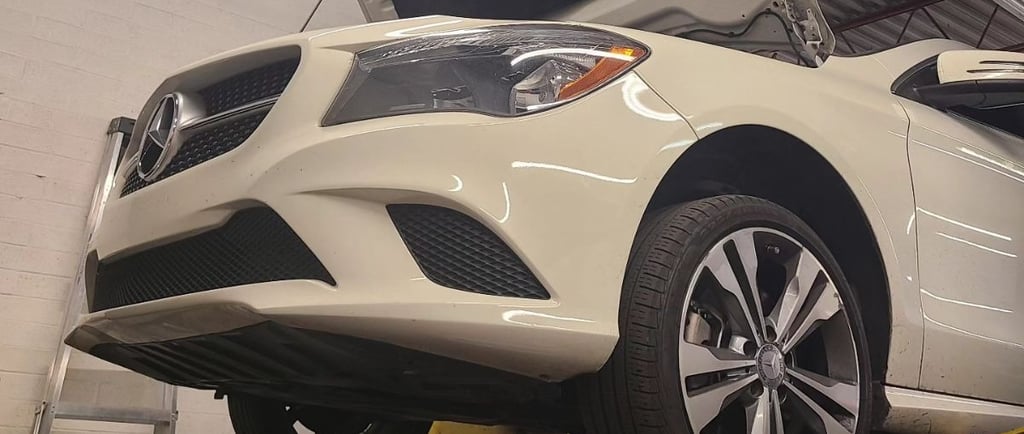
European vehicles are known for refined handling and road feel. Behind that smooth, confident drive is a complex suspension system working constantly beneath the surface. Understanding how it functions helps drivers recognize problems early and make informed maintenance decisions.
If you have ever wondered why your Audi corners so precisely or why your BMW feels planted at highway speeds, the answer starts with the suspension. This beginner's guide to how vehicle suspension systems work explains the purpose, parts, and warning signs in clear, practical terms for everyday drivers.
What a Suspension System Actually Does
A suspension system connects the vehicle’s body to its wheels in a way that allows controlled, predictable movement. While the tires physically touch the road, the suspension determines how consistently that contact is maintained. Its primary job is to manage the forces acting on the vehicle, so the ride remains stable and predictable.
At a system level, suspension smooths out road irregularities, keeps the vehicle level during directional changes, and helps maintain traction when weight shifts forward, backward, or side to side. Without a properly functioning suspension system, even simple maneuvers would feel abrupt and unstable.
The Main Components of a Suspension System
A suspension system consists of several interconnected parts. Each component contributes to how the wheels move, pivot, and remain aligned under load.
Suspension Springs
Springs regulate how much movement occurs as the wheels travel up or down. Their stiffness, known as spring rate, determines how resistant the vehicle is to compression under force. Most passenger vehicles use coil springs, while some European models incorporate air suspension systems that allow adjustable ride height.
Shock Absorbers
Shock absorbers manage the speed of suspension movement. By controlling rebound and compression rates, they prevent excessive oscillation and help the vehicle settle quickly after motion occurs. Internal valving inside the shock determines how firm or controlled that response feels.
Strut Components
Struts integrate a damping unit with structural mounting points that support suspension geometry. Because they are part of the steering pivot in many vehicles, their condition directly influences directional consistency. Wear within the assembly can subtly change how the vehicle tracks on the road.
Control Arms, Bushings, and Ball Joints
Control arms guide the wheel through a controlled arc of motion. Bushings allow slight flexibility at connection points, while ball joints create pivoting movement necessary for steering. Together, these parts maintain precise positioning as the suspension cycles through movement.
Sway Bars (Stabilizer Bars)
Sway bars link opposite wheels across an axle to moderate side-to-side chassis movement. By distributing force across both sides, they help manage the body's response to directional changes. Sway bar effectiveness depends on properly functioning links and mounting points.


How the Parts Work Together While You Drive
While each suspension component serves a specific purpose, its true function becomes clear during continuous motion. As the wheels move up and down, suspension geometry changes slightly to maintain alignment angles such as camber and toe. These small adjustments help ensure predictable steering response and even tire contact under varying loads.
At the same time, the steering and braking systems rely on stable suspension mounting points to function accurately. When components wear, alignment settings shift, and driver input may feel less precise. Because all of these systems interact simultaneously, suspension performance directly influences overall vehicle responsiveness.
Different Types of Suspension Systems
Engineers do not design all suspension systems in the same way. Vehicle manufacturers choose different configurations based on performance goals, comfort priorities, and vehicle size.
Independent vs. Solid Axle Suspension
Independent suspension allows each wheel to move separately. Most modern passenger vehicles use this design because it improves ride comfort and handling. When one wheel hits a bump, the opposite wheel remains largely unaffected.
A solid axle suspension connects the wheels on the same axle. Although durable and common in heavy-duty applications, it offers less refined handling than independent setups.
MacPherson Strut Suspension
MacPherson strut systems integrate a shock absorber and coil spring into a single unit. This design saves space and reduces weight, making it common in front-wheel-drive vehicles. Its simplicity allows for efficient packaging while still delivering responsive steering.
Multi-Link Suspension
A multi-link suspension uses multiple control arms to control wheel movement at different angles. Many luxury European vehicles rely on this design for superior ride quality and handling balance. By controlling camber and toe more precisely, multi-link systems enhance tire contact during dynamic driving.
Air Suspension Systems
Air suspension systems replace traditional coil springs with reinforced air chambers supplied by an onboard compressor. Electronic sensors monitor vehicle height and automatically adjust air pressure to maintain a consistent stance under varying loads. Because the system relies on sealed air lines and control modules, leaks or sensor faults can alter ride height and trigger warning indicators.
Signs Your Suspension System Needs Attention
Suspension problems develop gradually. Therefore, paying attention to early symptoms can prevent more extensive repairs.
Common warning signs include:
Excessive bouncing after hitting bumps
Uneven or rapid tire wear
Clunking noises over rough roads
Vehicle pulling during turns
Nose-diving when braking
If any of these symptoms appear, scheduling a car suspension service with a qualified repair specialist is a smart next step. Prompt evaluation protects tire life, alignment accuracy, and overall driving safety.
Basic Maintenance Tips for Beginners
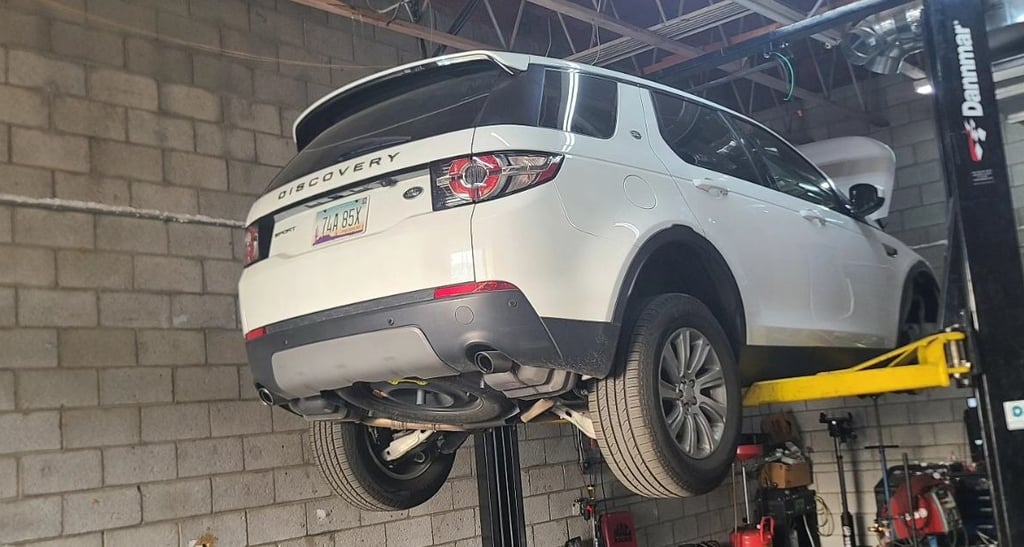
Suspension components do not require daily attention, yet regular awareness goes a long way. Routine inspections during scheduled maintenance appointments help detect worn bushings, leaking shocks, or damaged ball joints.
In addition, maintaining proper tire pressure reduces unnecessary strain on suspension parts. Avoiding aggressive impacts, such as hitting curbs or deep potholes, also preserves system longevity.
When Upgrading Your Suspension Makes Sense
Upgrading suspension components can be beneficial in certain situations. Drivers seeking enhanced cornering performance may consider sport-tuned springs or upgraded dampers. Others may need reinforced components after modifying ride height.
However, upgrades should align with the vehicle’s intended use. Altering suspension geometry without proper calibration can negatively affect ride comfort and tire wear. Consulting experienced specialists ensures that modifications support performance goals without compromising reliability.
Thoughtful upgrades improve handling characteristics, but careful planning remains essential.
European vehicles are engineered for precision, and their suspension systems play a central role in that experience. Understanding the fundamentals in this beginner's guide to how vehicle suspension systems work helps drivers recognize changes before they become larger concerns. When components operate within specification, steering feel, and overall control remain consistent. Staying attentive to subtle handling differences protects long-term performance.
If your Audi, BMW, Mercedes-Benz, Porsche, Land Rover, or other European vehicle feels different on the road, schedule a professional inspection with Autobahn Imports in Phoenix. Our experienced team provides accurate diagnostics and expert suspension service tailored to European models.