
Transmission Rebuild vs. Replacement: Which To Choose
Major repairs require a careful decision. Choosing between a transmission rebuild or replacement could shape the road ahead for your European vehicle.
Jimi Everette
12/19/20255 min read
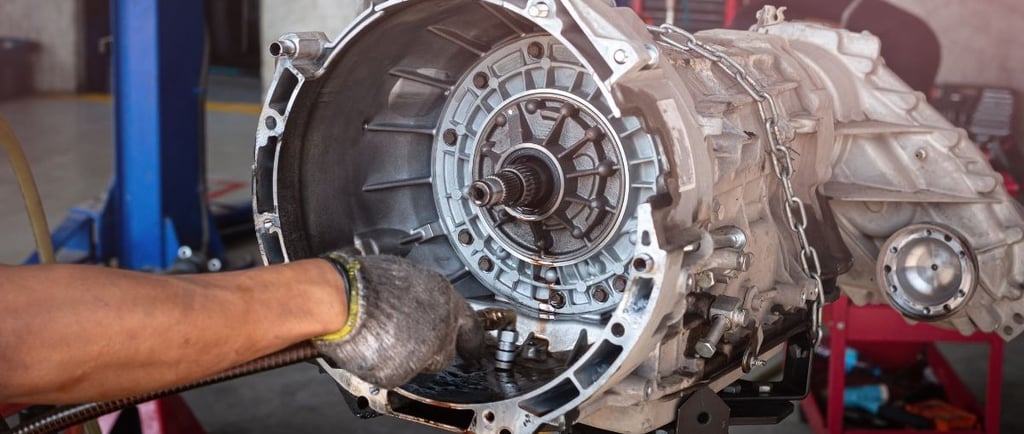
When your transmission falters, it’s rarely just a minor inconvenience. One problem can quickly turn a dependable car into a source of stress. Suddenly, you’re faced with a decision that feels as weighty as it is technical: choosing between a transmission rebuild or replacement. The choice takes more than mechanics; it’s financial, practical, and deeply tied to how long you plan to keep your car. We make it easy to understand and lay out the factors that matter most in your decision.
Understanding the Transmission’s Role
The transmission is a vital connection between your engine and wheels. It manages power and converts it into controlled motion using gears, hydraulics, and electronics. European brands such as BMW or Land Rover design highly advanced gearboxes. Brands build these units with tight tolerances to ensure smooth shifting and responsive acceleration while adapting to different driving styles and road conditions.
When the transmission starts to fail, you might notice symptoms like delayed engagement, rough shifting, or slipping gears. These problems suggest a disruption in the system’s balance, and you should address them promptly to prevent further drivetrain damage.
What Is a Transmission Rebuild?
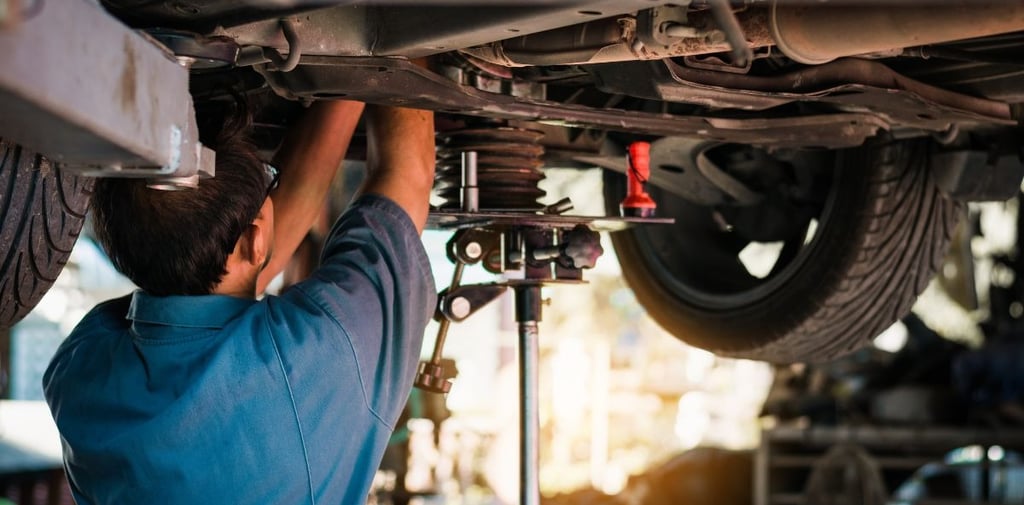
A transmission rebuild is a comprehensive restoration process. Technicians do not simply swap out a part; they refurbish your existing unit. This option allows you to retain the original transmission casing and hard parts while addressing the specific components that failed.
The Rebuild Process
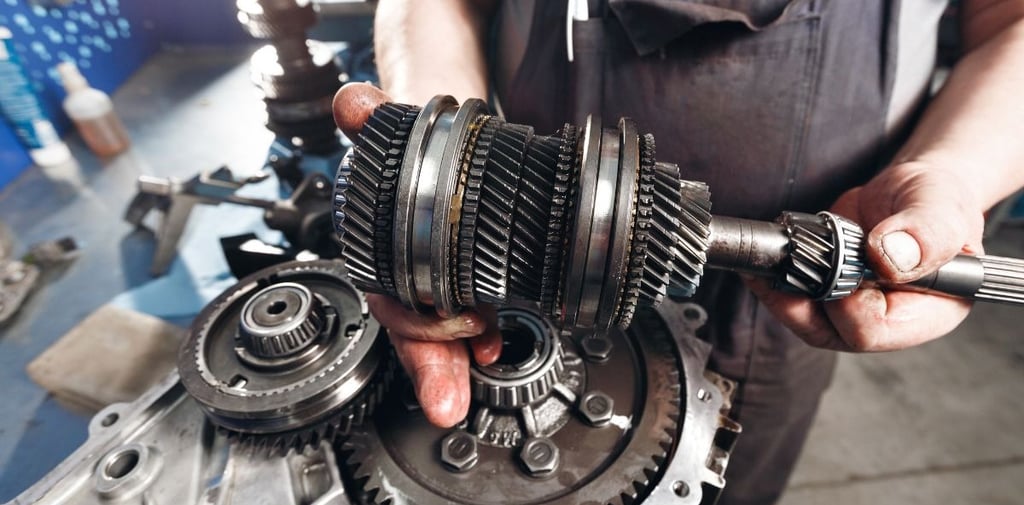
The process begins with removing the transmission from your vehicle. A specialist then disassembles the unit entirely on a clean bench, with every single part undergoing a rigorous inspection. Technicians clean the internal components in a chemical washer to remove grime and burnt fluid.
During reassembly, the technician replaces all "soft parts." These include gaskets, seals, O-rings, clutches, and bands. These items wear out naturally over time and are the usual culprits behind transmission failure. If any "hard parts" (gears, pumps, or shafts) show signs of damage, the technician replaces them as well. Finally, the unit is reinstalled, filled with manufacturer-specified fluid, and tested for performance.
When It Is Recommended
Mechanics typically recommend a rebuild when the transmission case and major gears remain in good condition. If the failure stems from worn clutches or a failed solenoid, a rebuild offers a practical solution. It is also the preferred route for rare or vintage European models where sourcing a replacement unit proves difficult or impossible.
Benefits of a Rebuild
A rebuild preserves the transmission’s original design, ensuring an authentic fit and compatibility with your vehicle. Because technicians evaluate each component, they can upgrade outdated parts with improved versions, often resulting in performance that surpasses the factory standard.
What Is a Transmission Replacement?
A transmission replacement involves removing your vehicle's failed transmission and installing a completely different unit. This unit might be new, used, or remanufactured. For most high-end European cars, a remanufactured unit serves as the standard for a quality replacement.
The Replacement Process
The technician unbolts and lowers the defective transmission from the chassis. They then flush the transmission cooler lines to verify no debris remains in the system. The replacement unit is lifted into place and bolted to the engine. Everything then connects to the driveshaft and electrical harnesses.
Once the physical installation finishes, the technician must program the new unit. Modern European cars rely heavily on software. The transmission control module (TCM) requires coding to communicate effectively with the engine control unit (ECU). Without this step, the vehicle may not operate correctly.
When It Is Recommended
You should consider a transmission replacement when the internal damage to your current unit is catastrophic. If a gear has shattered and sent metal fragments throughout the system, the casing itself may be compromised. In such scenarios, attempting a rebuild poses too high a risk of future failure. Additionally, if you need the fastest possible turnaround time, a replacement usually keeps your car in the shop for fewer days than a rebuild.
Benefits of a Replacement
Deciding on a factory-remanufactured replacement provides a high level of confidence. Manufacturers build these units in a dedicated facility that mimics the original manufacturing environment. They undergo dyno testing before shipping to ensure they meet strict performance standards.
Cost Comparison: Rebuild vs. Replacement
From a financial standpoint, a transmission rebuild is usually less expensive than a full replacement. This is because you’re only paying for the specific replacement parts and the labor to overhaul the unit. However, rebuilding is labor-intensive, and if the shop needs to replace many hard parts, the price can approach that of a full replacement.
A replacement unit carries a higher upfront cost because you’re purchasing a complete, pre-assembled transmission. While this installation requires less labor than a rebuild, the price of the unit itself, especially for European imports, can result in a higher total repair bill.
Factors To Consider Before Deciding
Your decision should extend beyond immediate cost. Several variables influence which option provides the best value for your specific situation.
Vehicle Age and Mileage
Consider where your vehicle stands in its lifecycle. If you own a newer model with relatively low mileage that experienced a premature failure, a replacement might better preserve the vehicle's resale value. Conversely, for an older vehicle with high mileage, a rebuild is often the most economically sensible choice to get it back on the road without overcapitalizing.
Length of Ownership
How long do you plan to keep the car? If you intend to drive this vehicle for another five years or pass it down to a family member, investing in a high-quality remanufactured replacement might offer greater peace of mind. If you plan to upgrade to a new model within a year or two, a rebuild effectively resolves the issue without the premium price of a replacement.
Availability of Part
Supply chains for European auto parts can fluctuate. Sometimes, a replacement transmission for a specific model might be on backorder from Germany. In these instances, a rebuild becomes the only viable option to get your car running again promptly. Conversely, if specific internal parts for a rebuild are unavailable, sourcing a complete unit might be necessary.
Choosing between a transmission rebuild and a replacement can have lasting consequences for your vehicle’s performance and reliability. Trust your investment to the professionals at Autobahn Imports. Our experienced team specializes in European transmissions and delivers a level of service that safeguards both your vehicle and your peace of mind. Schedule a comprehensive evaluation with Autobahn Imports in Phoenix and let us help you make the right choice for your car and your driving future.