
What Can Happen if Your Car Runs Out of Brake Fluid
What can happen if your car runs out of brake fluid is more serious than most drivers expect. The details may shift how you think about routine maintenance.
Jimi Everette
1/20/20264 min read
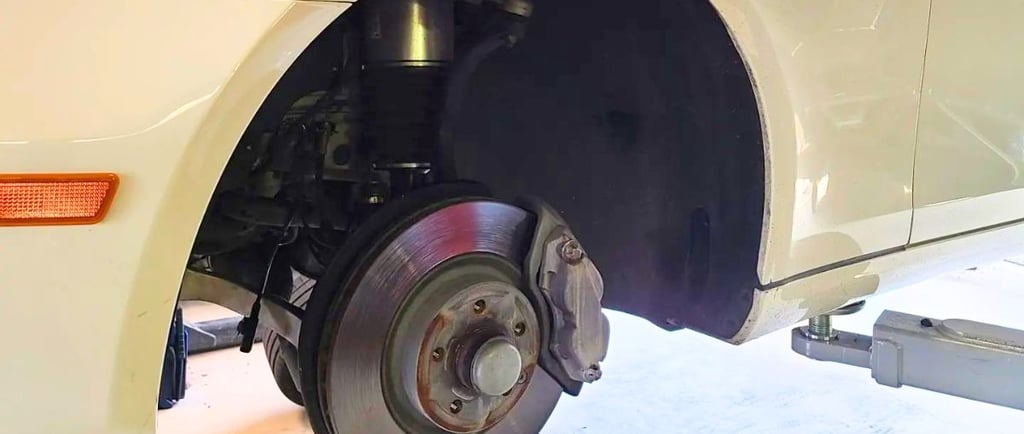
Brake fluid isn’t something most drivers think about, yet it’s the most important thing for every safe stop. The moment it drops too low, what can happen if your car runs out of brake fluid becomes more than a hypothetical. Brake response can shift quickly, sometimes in ways that even confident drivers are caught by surprise. This guide breaks down the risks so you know exactly what’s at stake.
What Brake Fluid Actually Does in Your Braking System
Brake fluid serves as the vital hydraulic medium that transfers force from the master cylinder to the wheel cylinders at each corner of your vehicle. When you press the pedal, this noncompressible liquid amplifies your physical effort into the massive pressure required to clamp brake pads against spinning rotors. This hydraulic leverage allows a driver to stop a vehicle weighing several tons with just a moderate press of the foot.
Beyond simply transferring force, high-quality brake fluid also lubricates the moving parts within the braking system to prevent corrosion and wear. It must withstand extreme temperatures generated during braking without boiling, as gas bubbles would compromise the hydraulic pressure. This dual role of power transfer and internal protection makes it one of the most essential fluids in your European automobile.
Early Warning Signs That Your Brake Fluid Is Low
Your vehicle usually provides several warning signs before the brake fluid reaches a dangerously low level. Watching for these signs can help prevent severe brake issues. Be aware of:
If the brake warning light on the dashboard comes on, it could signal low fluid or another problem.
A pedal that feels soft, spongy, or sinks toward the floor may indicate air in the system caused by low fluid.
Needing more pressure on the pedal or your car taking longer to stop are signs of trouble.
A clear or brown slick fluid near the wheels or under the car points to a likely brake fluid leak.
What Happens When Brake Fluid Gets Critically Low
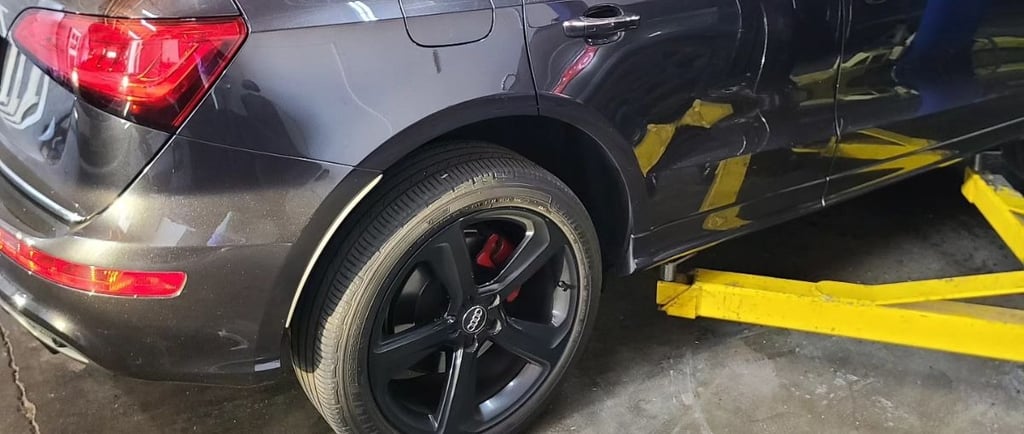
When brake fluid falls to a critically low level, your braking system’s performance drops sharply. The master cylinder may fail to generate sufficient pressure, resulting in an inconsistent brake pedal feel. Air may enter the brake lines, leading to a “mushy” pedal feel. Since air compresses inside the lines, pressing the pedal may compress air instead of activating the brakes. This delay in braking response greatly increases the risk of an accident.
What Happens When Your Car Runs Out of Brake Fluid Completely
If your brake system loses all fluid, braking capability vanishes. Pressing the brake pedal will do nothing; it may simply fall to the floor with zero resistance. Your car will not slow down or stop using the main braking system. A major leak, such as a ruptured brake line, can cause this situation. You will only have the parking brake available, which provides far less effective stopping power, even less at higher speeds.
Why Brake Fluid Runs Out in the First Place
Brake fluid circulates in a sealed system, so a loss almost always indicates a leak. Rubber hoses, caliper pistons, or master cylinder seals can deteriorate and create fluid escape paths. Sometimes, worn brake pads contribute because the caliper pistons extend further, using more brake fluid. This lowers the reservoir level over time. Metal brake lines can also corrode, eventually leaking fluid as they age.
What To Do if You Suspect You’re Low on Brake Fluid
If you notice any of the warning signs mentioned previously, immediately pull your vehicle over to a secure location. Continuing to drive with compromised brakes is reckless and risks causing an accident that could damage your vehicle or cause injury (not only to you but also to others on the road as well). Once stopped, verify the fluid level by checking the translucent reservoir located under the hood near the windshield.
Do not attempt to simply top off the fluid and keep driving if the reservoir is empty, as air has likely entered the lines. Adding fluid will not remove these air pockets, and your brakes will remain dangerous until the system is properly bled. Call for a tow truck to transport your vehicle to a qualified specialist who can address the root cause of the issue.
How Mechanics Fix Low or Empty Brake Fluid Issues
Qualified mechanics follow a precise process when repairing brake fluid problems.
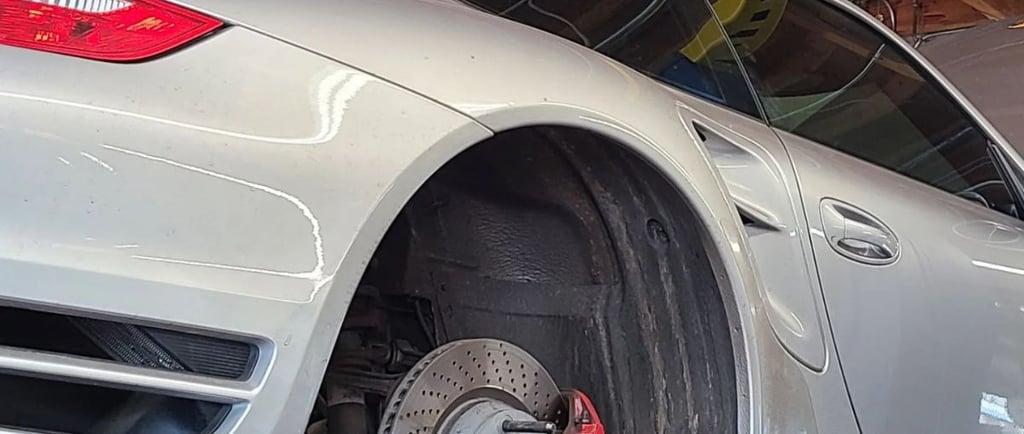
The technician begins by inspecting the entire braking system to identify the source of the fluid loss, checking all of the components we’ve talked about above for leaks.
Any damaged components identified during the inspection, such as cracked hoses or leaking seals, are replaced with high-quality OEM parts to restore system integrity.
The mechanic drains the old, potentially contaminated fluid from the system to prevent moisture buildup and corrosion.
New manufacturer-specified fluid is introduced, and the technician bleeds the lines to remove every trace of trapped air bubbles.
A comprehensive road test verifies that the pedal feel is firm, stopping power is restored, and no new leaks appear under pressure.
How To Prevent Brake Fluid Problems in the Future
Regular maintenance appointments are the most effective defense against unexpected hydraulic failures in your European vehicle. Technicians check the moisture content and level of your fluid during these visits, alerting you to potential issues before they become critical. Adhering to the manufacturer’s recommended service intervals ensures that seals remain pliable and lines remain free of corrosion.
Drivers should also remain vigilant regarding the feel of their car and the brake pedal. Addressing minor changes in responsiveness immediately prevents them from escalating into major safety hazards. Proactive care protects your investment and ensures the complex engineering of your braking system performs flawlessly for years.
Schedule Your Service Today With Autobahn Imports
Protecting your safety and the integrity of your European vehicle requires partnering with specialists who understand its intricate systems. Our team at Autobahn Imports has the technical expertise and diagnostic tools necessary to keep your braking system at peak performance. We provide brake services that adhere to strict factory standards, giving you confidence every time you get behind the wheel.
Do not wait until you are forced to discover what can happen if your car runs out of brake fluid on a busy highway. Contact us today to schedule a comprehensive brake inspection and fluid service for your peace of mind. We are dedicated to keeping your vehicle safe, reliable, and responsive for the road ahead.