Why It’s Important To Have Your Car Inspected Every Year
Annual inspections go beyond routine maintenance. Learn why it's important to have your car inspected every year for safety and performance.
Jimi Everette
2/6/20264 min read
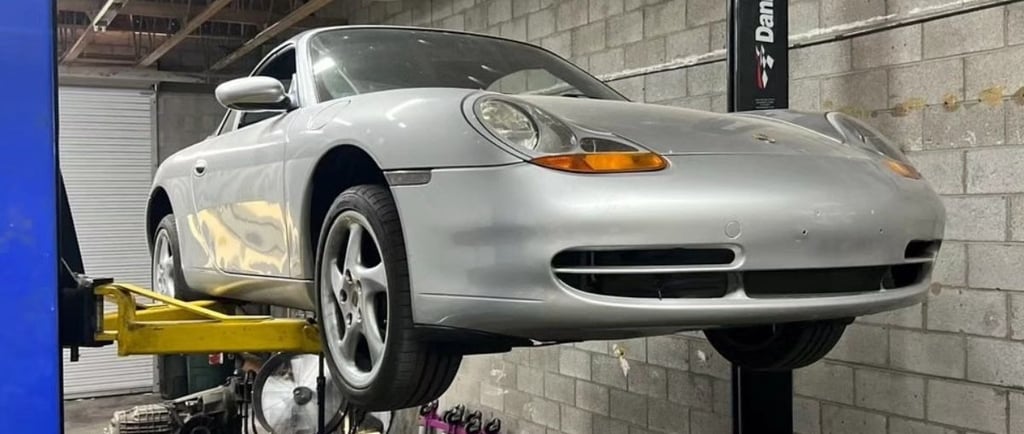
Every mile you drive adds another story to your vehicle’s history, quietly shaping its reliability. Those daily commutes and weekend getaways can mask early warning signs that only a trained eye will spot. Knowing why it's important to have your car inspected every year can be the difference between routine maintenance and an unexpected breakdown. Embracing annual inspections sets you up for confidence on the road, no matter where your travels take you.
Keeps You Safe on the Road
The primary benefit of an annual vehicle inspection is its direct impact on your safety and that of your passengers. During a thorough examination, technicians scrutinize critical safety systems.
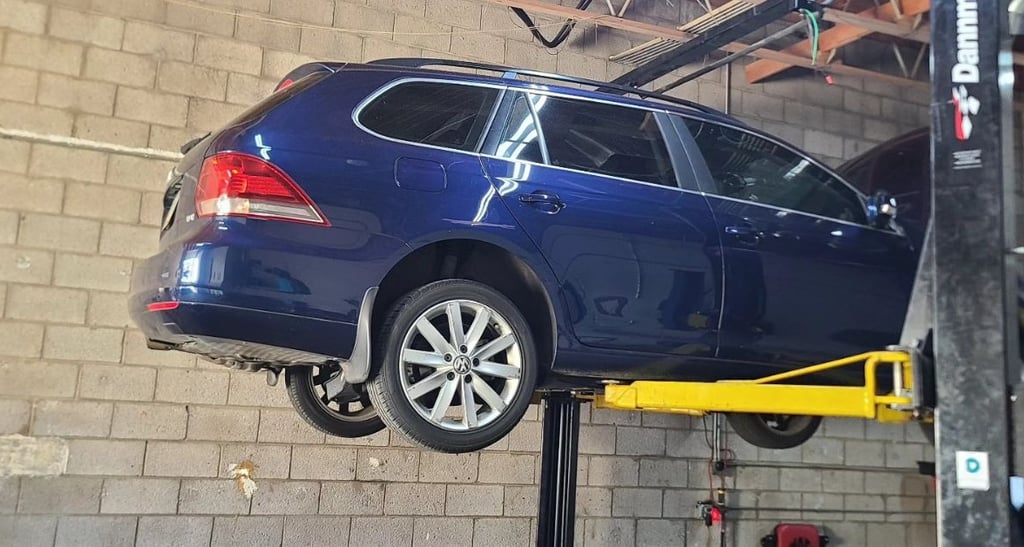
Inspections include checking brake pad thickness, rotor condition, and brake fluid levels to confirm your car can stop effectively. Suspension components, tires, and steering systems are also evaluated for wear and tear that could compromise vehicle control. Identifying and addressing these potential issues before they escalate into on-road failures is a fundamental aspect of preventive maintenance.
Saves You Money Long-Term
While there is an upfront cost to an annual inspection, it represents long-term savings. Preventive measures allow technicians to spot minor issues, such as a small fluid leak or a worn belt, before they escalate into catastrophic failures requiring expensive, extensive repairs.
For instance, replacing a fraying serpentine belt is far more cost-effective than dealing with the widespread engine damage that can occur if it snaps while driving. Addressing small problems early avoids a cascade of related component failures, ultimately reducing your total cost of ownership.
Improves Fuel Efficiency and Performance
Your vehicle was engineered for a superior driving experience, and regular inspections help maintain that standard. An inspection can uncover issues that silently degrade performance and fuel economy.
Technicians will check for issues such as dirty air filters, fouled spark plugs, or incorrect tire pressure. Correcting these seemingly small items can lead to noticeable improvements. A clean engine air filter, for example, allows the engine to breathe more easily, optimizing the fuel-to-air ratio for better combustion, which translates directly into more efficient power and lower fuel consumption.
Extends the Life of Your Vehicle
Consistent annual inspections are among the most effective strategies for extending your vehicle's lifespan. These checkups function as a proactive health regimen for your car.
By regularly monitoring and maintaining all major systems, from the engine and transmission to the cooling and electrical systems, you prevent the cumulative damage that leads to premature aging. Catching and replacing worn components on a recommended schedule prevents them from causing stress or damage to other parts, thereby preserving the vehicle's overall integrity and keeping it operating reliably for many years.
Protects Your Investment and Maintains the Resale Value
Any type of vehicle is a sizeable investment, and protecting its value is paramount. A well-documented history of annual inspections is one of the strongest indicators of a properly maintained vehicle.
When it comes time to sell or trade in your car, a complete service record shows potential buyers that the vehicle has been meticulously cared for. This documentation justifies a higher resale price, as it assures the car is in excellent mechanical condition and free of hidden problems that could arise from neglect.
Environmental Benefits of Regular Inspections
A properly maintained vehicle is also more environmentally friendly. During an inspection, technicians check components that directly affect your car's emissions output, including the exhaust system, oxygen sensors, and the catalytic converter.
A malfunctioning sensor or an exhaust leak can cause the vehicle to burn fuel inefficiently, releasing higher levels of harmful pollutants into the atmosphere. By keeping these systems in optimal condition, you not only improve fuel economy but also minimize your car's carbon footprint.
Understanding What an Annual Inspection Typically Includes
While the specifics may vary between shops, a comprehensive annual inspection generally covers a standard set of critical vehicle systems. A technician will methodically review:
Brake System: Examination of pads, rotors, calipers, brake lines, and fluid levels.
Tires: Measurement of tread depth, check for uneven wear, and verification of proper inflation.
Steering and Suspension: Inspection of shocks, struts, tie rods, and other components for wear or damage.
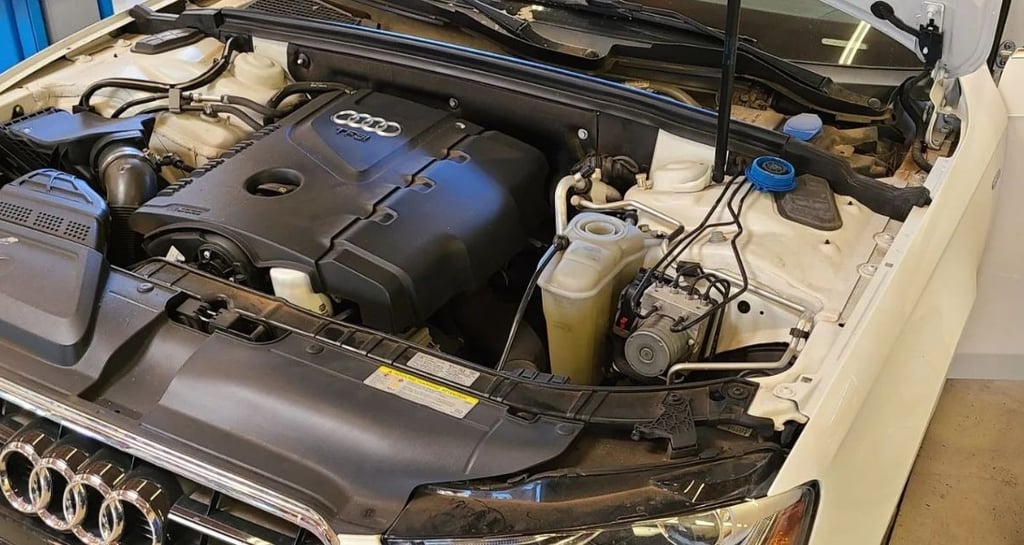
Fluid Levels: Checking and topping off engine oil, coolant, transmission fluid, power steering fluid, and windshield washer fluid.
Belts and Hoses: Visual inspection for cracks, fraying, or leaks.
Lights and Wipers: Verification that all exterior and interior lights, as well as windshield wipers, are functional.
Battery and Charging System: Testing the battery's health and the alternator's output.
Signs You Shouldn’t Wait for Your Annual Inspection
Although an annual schedule is recommended, your vehicle may signal that it needs attention sooner. Do not postpone a professional check if you notice any of the following:
Squealing, grinding, or knocking sounds often indicate a problem with the brakes, engine, or suspension.
A check engine light or any other illuminated warning symbol requires immediate diagnosis.
A noticeable decrease in fuel economy, acceleration, or handling suggests an underlying issue.
Puddles of fluid under your car are a clear sign of a leak that needs to be addressed.
Shaking in the steering wheel or seats can point to tire, suspension, or alignment problems.
How To Choose a Trustworthy Inspection Shop
When selecting a shop for your annual vehicle inspection, focus on professional credentials, transparent procedures, and a proven track record of quality service. Look for technicians with up-to-date certifications and a facility that uses advanced diagnostic tools appropriate for your make and model. The right shop will clearly communicate the findings and discuss all recommendations with you before any work begins.
For those who own European vehicles in the Phoenix area, Autobahn Imports stands out as a European auto shop dedicated to excellence. Our experienced team offers specialized care for European brands, delivering expertise you can trust for both inspections and ongoing maintenance.
Scheduling your annual inspection reflects dedication to your vehicle’s well-being and enduring value. Knowing why it's important to have your car inspected every year empowers owners to make confident, informed decisions. Your European automobile rewards meticulous attention with reliable performance for every drive. Continued care today promises lasting excellence tomorrow.